
Who are we?
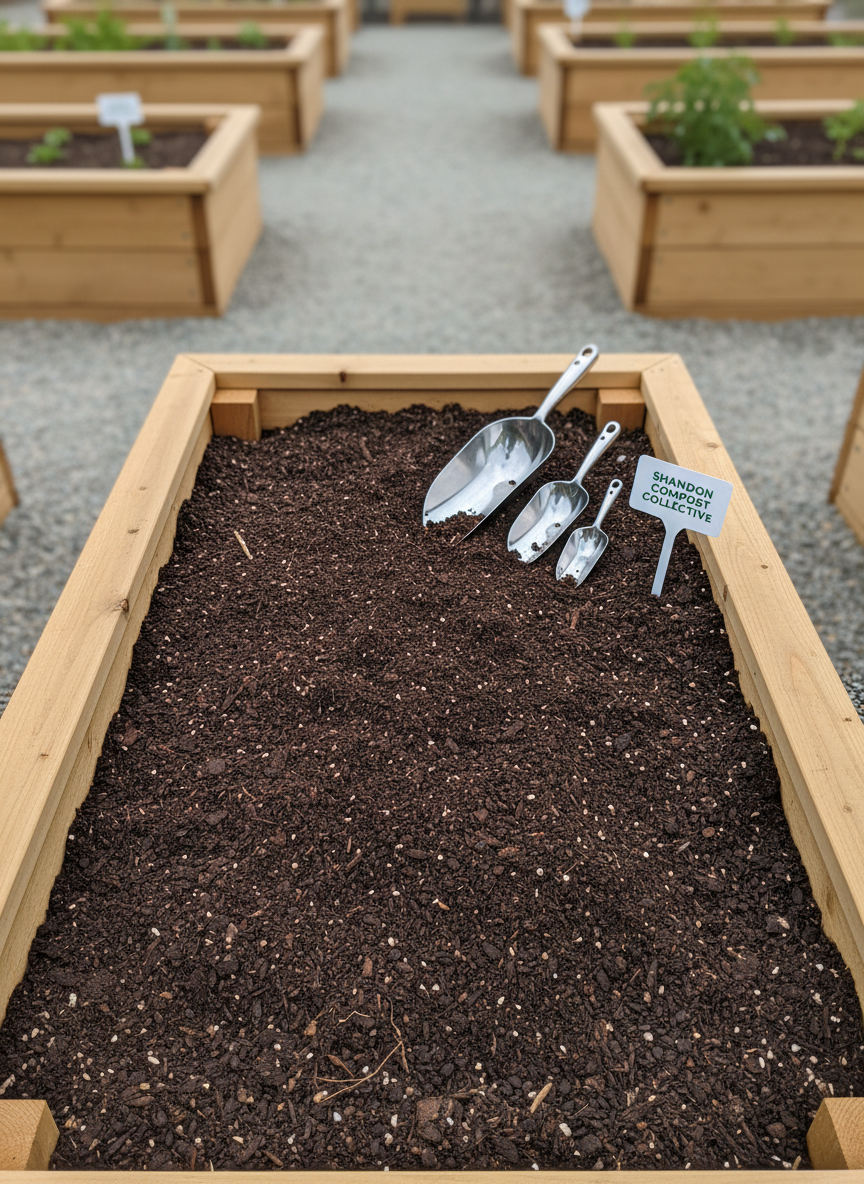
We are a community-powered compost site in Columbia, SC. We turn scraps into rich soil for gardens.
Why do it?
There are so many great reasons to compost. Our goal is think globally and act locally in respect to environmental health. We want to bring better soil and more sustainable soil enrichment practices to Shandon while reducing waste and methane emissions where possible. When supply is good, we will provide bags of compost to contributors and neighbors in need.
Cut Climate Pollution
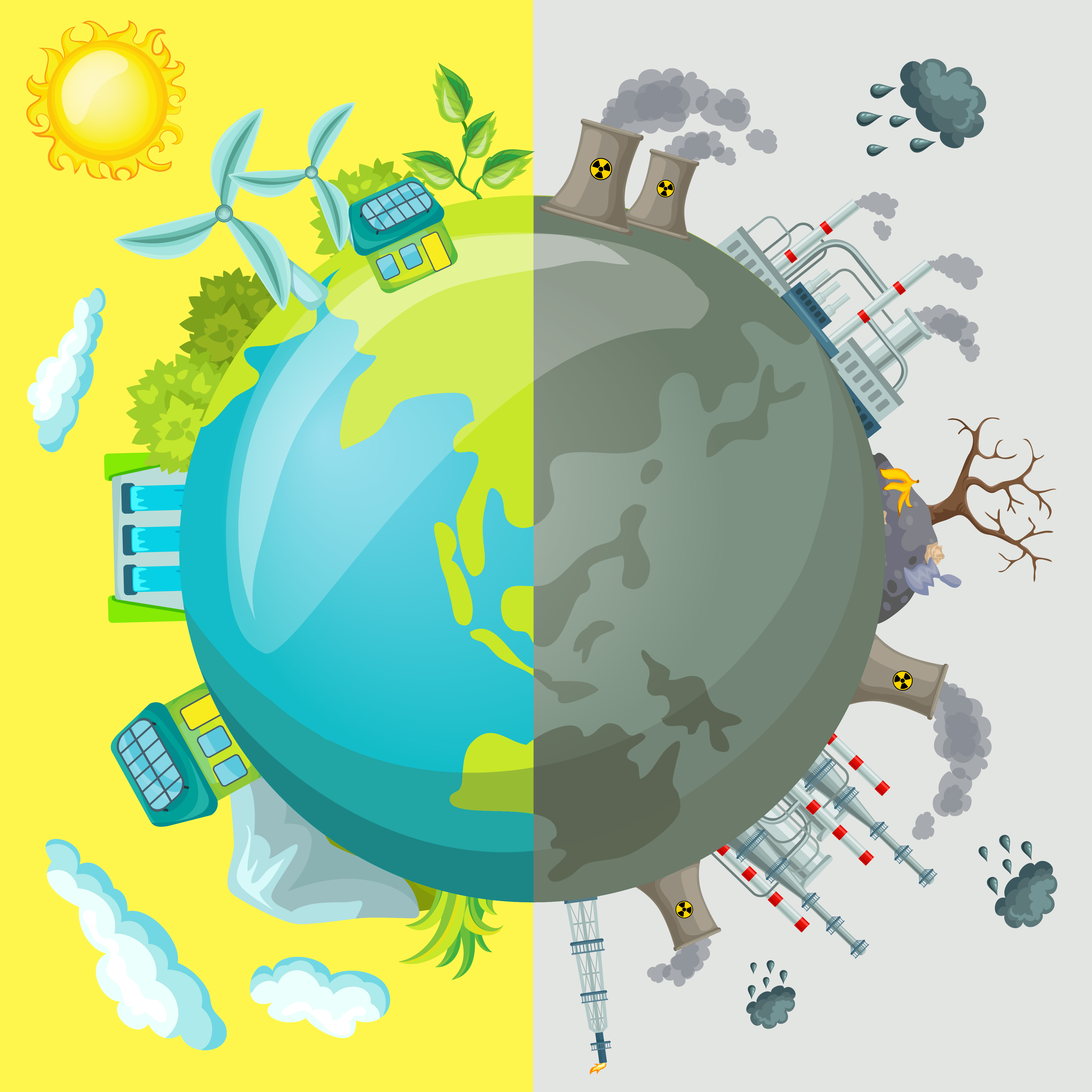
Food scraps in landfills rot without oxygen and generate methane, a greenhouse gas that’s far more potent than CO? in the short term. Composting turns organics into something useful instead of a heat-trapping gas factory.
Reduce Synthetic Fertilizers
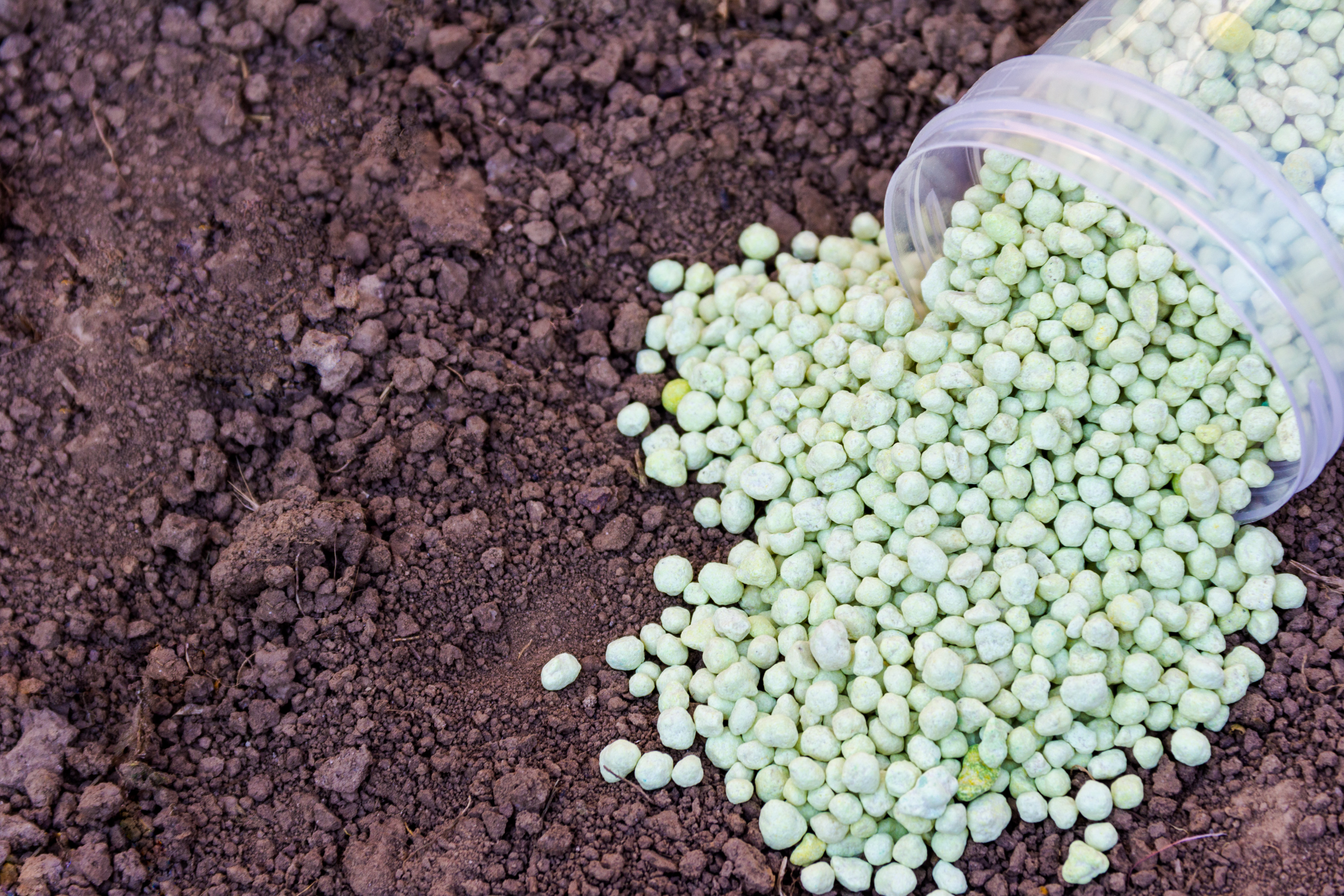
Better soil + recycled nutrients = less need for energy-intensive fertilizers. Those fertilizers are often made using fossil fuels and can contribute to nitrous oxide emissions and water pollution when runoff hits rivers and coasts.
Build Healthier, More Resilient Soil
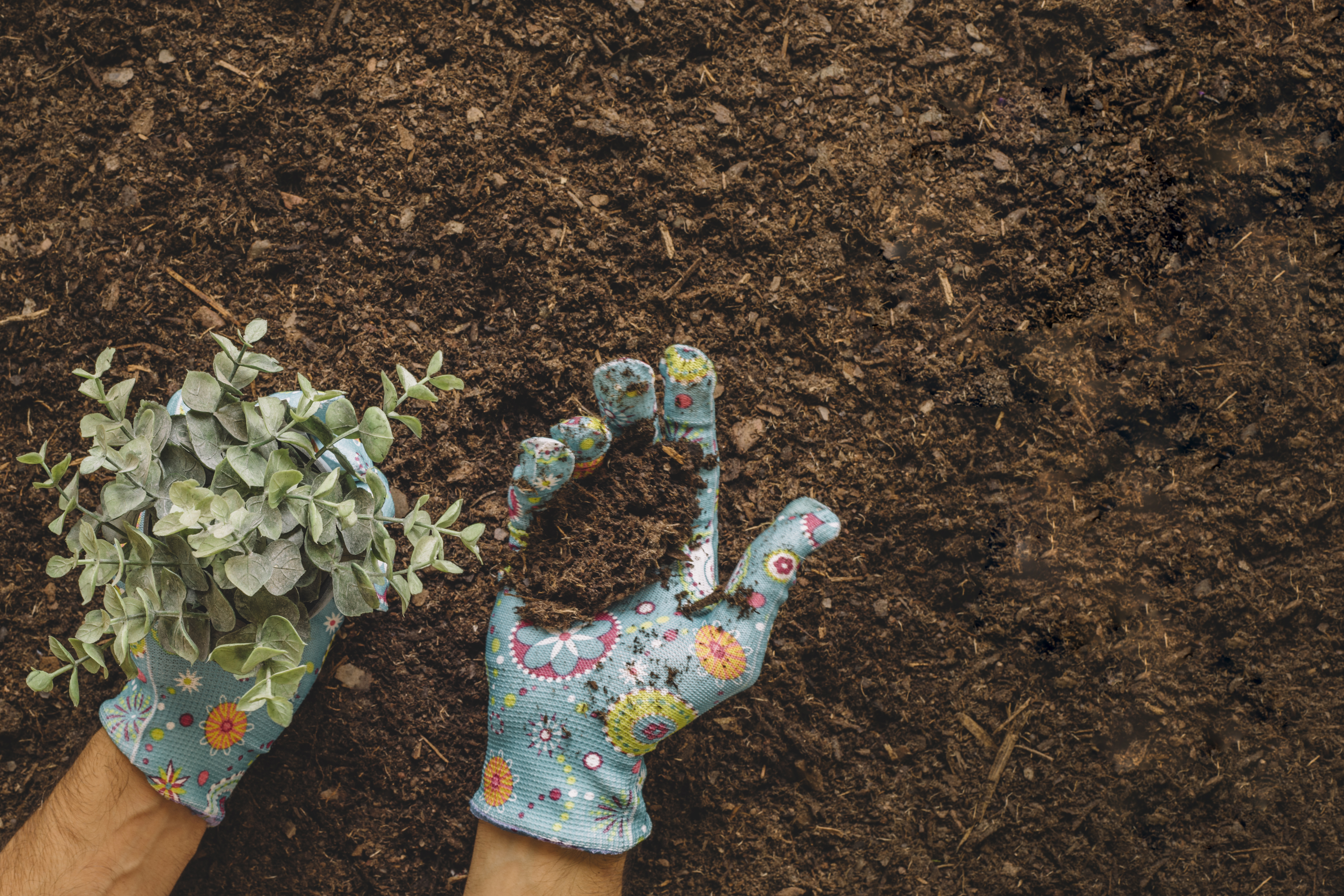
Compost adds organic matter that improves soil structure, water retention, and nutrient availability. That means less erosion, better drought resistance, and more stable crop yields, especially in flood prone areas.
Water Systems and Biodiversity

Compost-amended soils absorb and hold water better, which reduces runoff carrying nutrients and sediments into waterways. Less runoff means fewer algal blooms and dead zones, and healthier aquatic ecosystems downstream.
Recent Posts

Contact & Sign Up
Tell us how we can help. Do you have ideas? Do you want to Contribute? Reach out to us!
We love growing community through compost.