The Dos and Don’ts of Composting
Community composting keeps food scraps and yard waste out of landfills, which cuts methane pollution and turns “trash” into nutrient-rich compost that improves local soils and gardens. Done right, it avoids the common headaches—smells, pests, and contamination from things like plastics, meat, and pet waste—that can ruin whole batches and make programs expensive to run. When everyone follows the rules, composting stays clean, safe, and scalable, so the community gets the benefits instead of a gross science experiment.
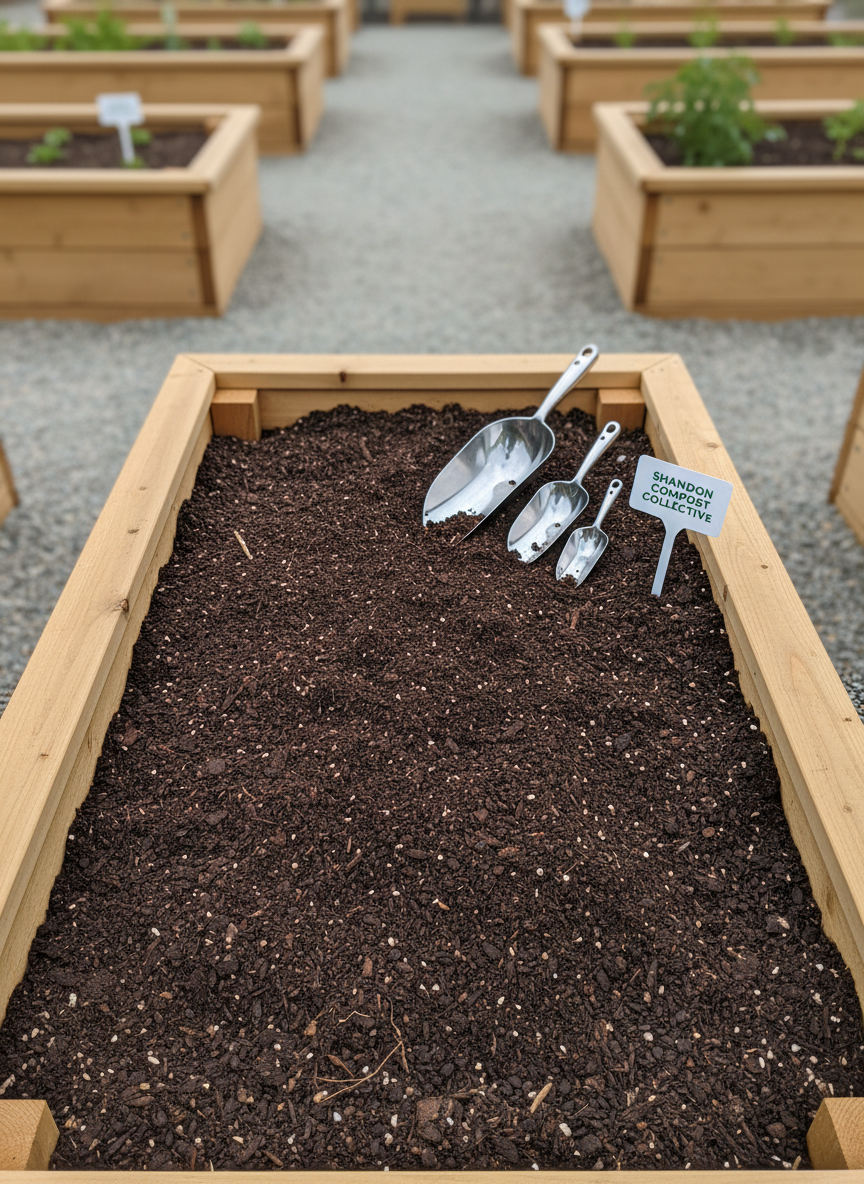
Most compost bins work best with a balanced mix of “greens” (wet, nitrogen-rich stuff like fruit and veggie scraps, coffee grounds, fresh grass, and crushed eggshells) and “browns” (dry, carbon-rich stuff like dry leaves, shredded cardboard, paper, and small twigs). Avoid anything that turns rancid or attracts pests—meat, dairy, oils/greasy foods—as well as pet waste, diseased plants, treated wood, glossy/waxy paper, and plastics/bioplastics that won’t break down at home. The sweet spot is roughly 2–3 parts browns to 1 part greens, kept as damp as a wrung-out sponge, because microbes need carbon for energy and nitrogen to grow; that combo helps the pile break down faster without getting smelly, slimy, or buggy.
Good for the Compost
Green — Nitrogen Rich (these feed the microbes fast.)
- Fruit & veggie scraps (peels, cores, trimmings)
- Coffee grounds + paper filters
- Tea leaves + paper tea bags (remove staples; some “silky” bags are plastic)
- Fresh grass clippings (thin layers so they don’t mat)
- Plant trimmings, fresh leaves, flowers
- Eggshells (crush them—break down faster)
- Manure from herbivores (chicken, cow, horse, rabbit—best aged/composted first)
- Seaweed/kelp (rinse off salt; check local rules if you’re collecting)
Browns — Carbon-rich, Dry-ish (these add structure and prevent stink/slime.)
- Dry leaves (compost gold)
- Straw/hay (seed-free if possible)
- Shredded cardboard (non-waxy), egg cartons
- Shredded paper/newspaper (black-and-white ink is generally fine)
- Paper towels/napkins if they’re just food/water/soil (not chemical cleaners)
- Untreated wood chips, sawdust (small amounts), twigs (chopped)
- Pine needles (fine in moderation)
- Dryer lint only if mostly natural fibers (cotton/wool), and no fragrance-heavy sheets
Yard waste (mostly yes)
- Weeds before they go to seed
- Dead plants if not diseased
- Small branches (best chipped/shredded)
Bad for the Compost
Things that attract pests or go rancid
- Meat, fish, bones
- Dairy (cheese, yogurt, butter)
- Oils/grease/fat, oily foods
- Cooked foods in general (especially sauces, meats, greasy stuff)
Pathogens, toxins, or persistent problems
- Pet waste (dog/cat litter/feces) — can carry pathogens/parasites
- Diseased plants, moldy plants (home compost often doesn’t get hot enough)
- Weeds with aggressive roots/runners (e.g., bindweed) unless you hot-compost properly
- “Compostable” bioplastics unless your facility specifically accepts them (home bins usually won’t break them down well)
- Coal/charcoal ash (contains contaminants)
- Glossy/waxy paper, coated paper plates, foil-lined packaging
Chemicals & contaminated materials
- Pressure-treated/painted/stained wood scraps
- Yard trimmings treated with herbicides/pesticides (can mess up your compost)
- Dryer lint from synthetic fabrics (microplastics)
- Vacuum dust (plastic fibers, mystery gunk)
Misc “nope”
- Large amounts of citrus peels/onion/garlic (small amounts are fine; big amounts can slow things down)
- Nutshells (hard to break down; tiny amounts ok)
- Stickers/labels on produce (plastic)
Contact & Sign Up
Tell us how we can help. Do you have ideas? Do you want to Contribute? Reach out to us!
We love growing community through compost.
Thanks for reaching out!